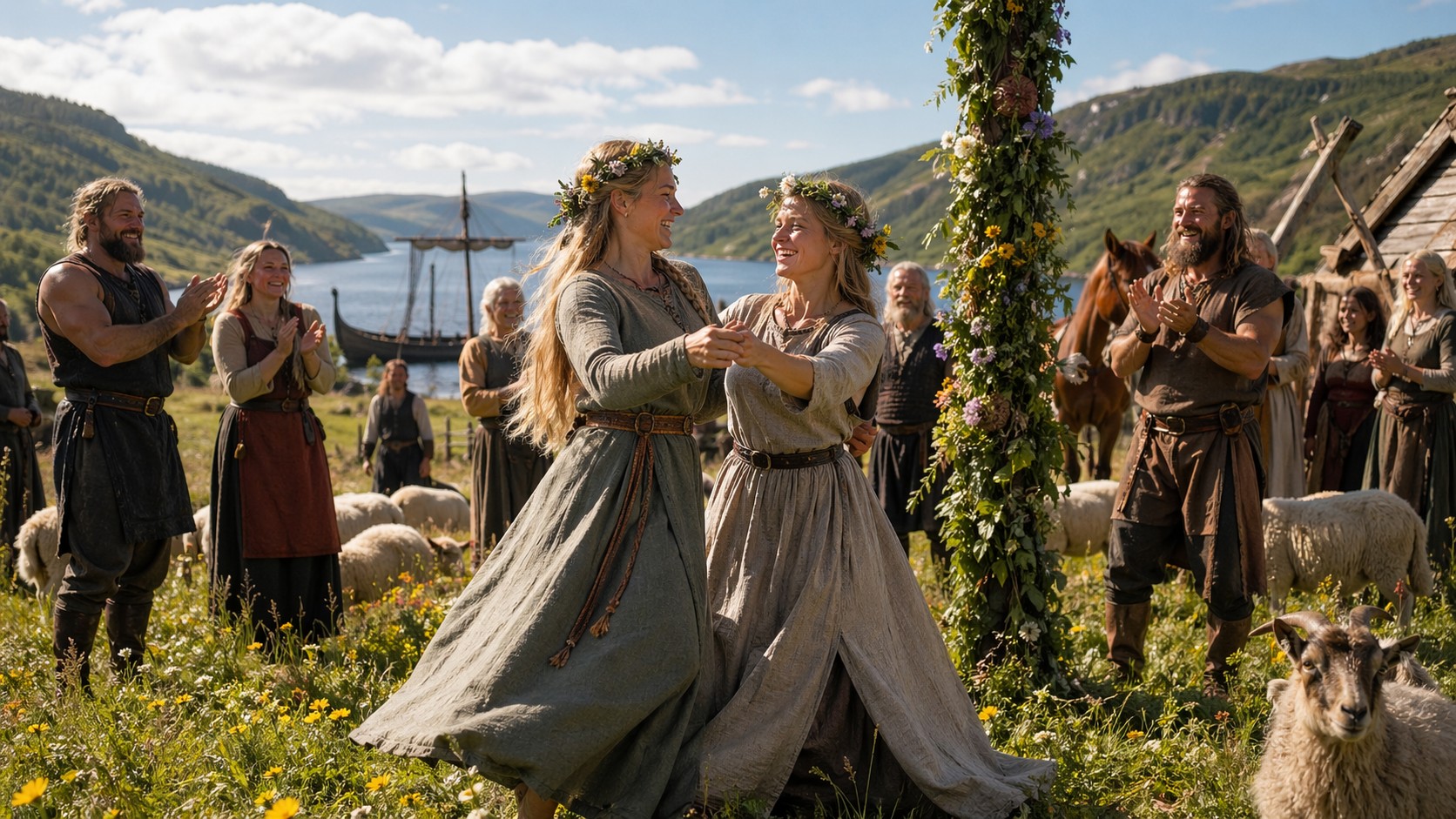
Symbolic meeting between cultural worlds

About

The thinking, the origin, and the wider purpose of the work.

This page should orient a visitor, not fragment them. In the original material it explains the mission of the system, how the traditions came to meet, how criticism is answered, and what the wider Uthark-Tzolkin project is meant to hold.

Mission Statement

A bridge, a practice, and a language for reflection

The original mission text is not only about symbols. It is about what symbols can do when they are used as tools for clarity, healing, creativity, personal growth, and renewed connection between worlds that are usually kept apart.

The project treats symbols as living instruments of reflection. Runes and glyphs are not presented as decoration, but as ways of naming patterns, opening insight, and helping a person relate more clearly to the inner and outer movements of life.

A central part of the mission is bridge-building. The work does not aim to flatten Norse and Maya traditions into sameness. It aims to let them meet with care, so that a modern symbolic practice can emerge from dialogue rather than division.

The archive also returns again and again to practical human needs: inner peace, clearer direction, self-study, creativity, community, and a deeper relationship to personal and spiritual growth. The system is meant to support practice, not just admiration.

It is also explicitly contemporary. The mission is to bring old symbolic knowledge into forms that can still guide modern people, instead of leaving it stranded in nostalgia, distance, or museum-like reverence.

The Birth Story

How the Norse and Maya traditions came to meet here

The birth story in the original site is broader than autobiography. It frames the project as an attempt to revive ancestral streams in a form that can still speak to the present moment, and perhaps to a larger human future.

The work begins from a meeting point between two rich symbolic worlds. Its motive is not to claim they were always one and the same. It is to explore whether their patterns, values, and symbolic intensities can enter meaningful dialogue when placed in relation to one another.

The original material is also unusually clear that modern technology can be used in service of symbolic wisdom. Books, websites, member tools, calendars, dashboards, and interpretive structures are all treated as part of the same effort to make the work living and usable.

Beneath that is a larger hope: that old forms of symbolic intelligence may still help people reconnect to meaning, rhythm, responsibility, creativity, and spiritual depth in a time where many feel cut off from all of them.

Sceptics' Questions

The page where difficult objections are answered directly

One of the strongest parts of the original site is that it does not hide from criticism. It stages hard questions openly and answers them in a tone that is reflective, firm, and aware of cultural responsibility.

Is it disrespectful to bring two distinct spiritual traditions together?

The original answer argues that respectful synthesis is not the same as erasure. The project does not pretend to speak for either ancestral culture. Instead it presents itself as a new symbolic meeting place that emerges in dialogue with both, while remaining clear that it is a contemporary creation.

How can something new still be meaningful?

The sceptics page answers by shifting the test of meaning away from historical purity alone and toward lived depth, coherence, usefulness, and symbolic resonance. The system is not justified by pretending to be ancient in its final form, but by whether it genuinely helps people reflect, orient, and grow.

Is this just one person's imposed interpretation?

The original response acknowledges authorship rather than hiding it. The work is presented as an authored synthesis, but one built through long attention to symbolic correspondences, lived practice, and the attempt to create a framework others can test in use rather than accept on authority.

The Uthark-Tzolkin Project

A larger project with literature, tools, teaching, and community

The original UTP page is more structural than poetic. It makes clear that this is not only a single book or a single website page. It is a wider project with literature, educational material, tools, member functions, and an evolving symbolic ecosystem.

UTP is the umbrella that holds the whole body of work together: the core concepts, the books, the free public pages, the member tools, and the later extensions of the system. The books remain central. They are not side material, but the backbone of the whole structure, giving depth to the public site and substance to the members area.

The project expands into calculators, dashboards, journals, grids, birthday tools, casting pages, and practice environments. The site is therefore both a publishing world and a working symbolic environment.

In that sense, the About material makes a promise to the visitor: this is not meant to be vague mystical atmosphere. It is meant to be a coherent symbolic world with authored intent, ethical framing, and enough structure that a newcomer can understand where they are and why the work exists.

Continue to Runes & Glyphs, or return to the home page.